
Advancing Ethiopia’s Edible Oil Security and Securing Livelihoods of Rural Farmers
UK-funded programme supported local sourcing strategy and helped unlock $21 million investment, creating opportunities for Ethiopian farmers
Ethiopia boasts immense agricultural potential, yet its agriprocessing capacity remains significantly underdeveloped. This gap has left the country heavily reliant on cheap edible oil imports, putting enormous pressure on the local manufacturing sector.
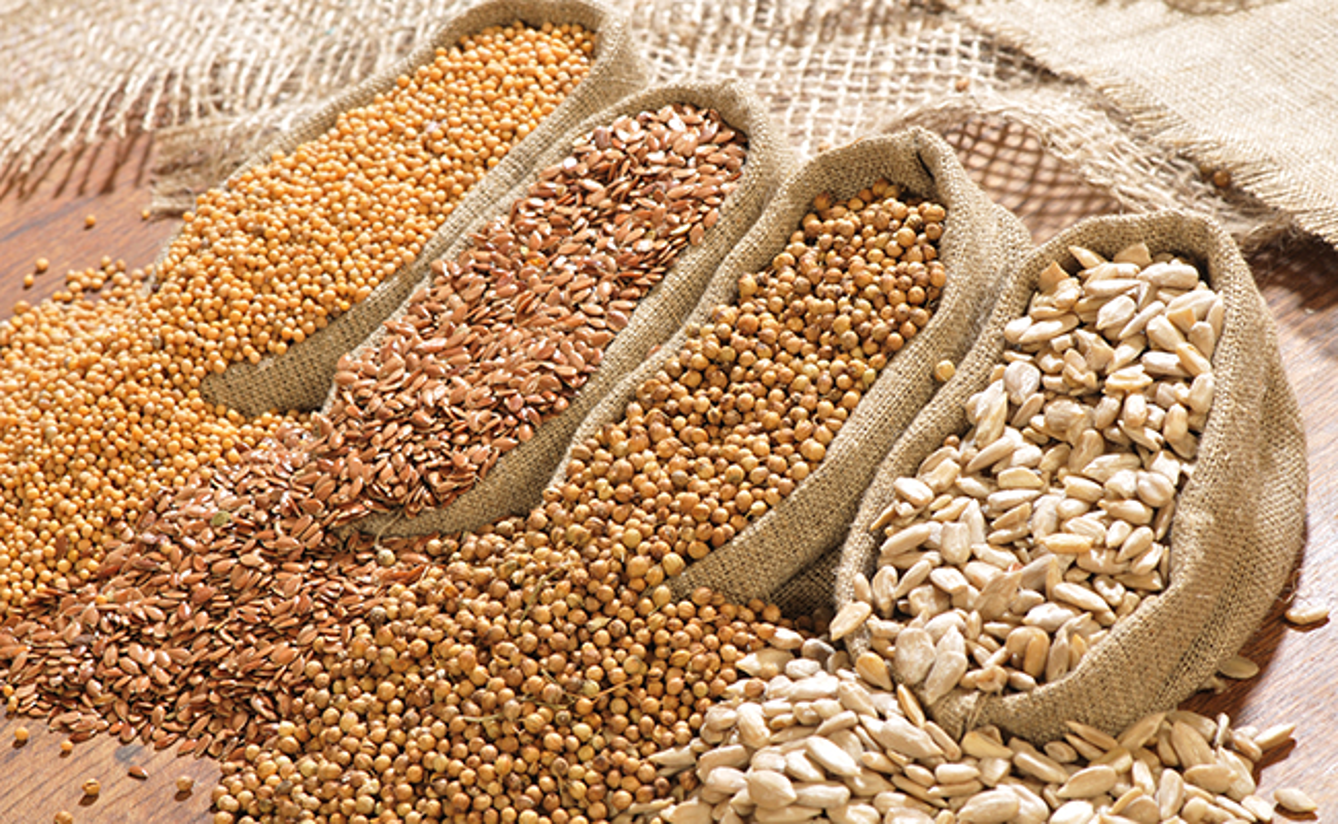
Despite being one of Africa’s largest producers and exporters of oilseeds such as soya, sunflower, groundnut, cottonseed, and sesame, Ethiopia spends an estimated $600 million annually on edible oil imports. Much of its oil-seed production is exported for processing abroad, leaving farmers at the bottom of the market chain earning a small fraction of the final product’s value.
To address these challenges, the UK government, through its Manufacturing Africa programme, is supporting industries to build local processing capabilities, increase production, create jobs, and improve livelihoods across Ethiopia’s manufacturing supply chain. Manufacturing Africa is designed to support African businesses in six countries, including Ethiopia, attract foreign direct investment (FDI) and create jobs. The programme does this by identifying and addressing bottlenecks to transactions proceeding. This could be by supporting corporate finance, manufacturing operations, sector studies or due diligence. Dedicated teams work intensively with supported businesses to better position them for external investment, whether debt or equity.
One of the programme’s success stories is Samanu, Ethiopia’s largest fast-moving consumer goods platform, which produces edible oil under the brand name “Tena.” Samanu’s commitment to inclusive growth is a cornerstone of its business model, prioritizing the development of local farmers and fostering high-quality supplier relationships. This approach not only drives the company’s growth but also contributes to poverty reduction and better career prospects for local workers.

As the company prepared for its next phase of growth, they reached out to Manufacturing Africa for support to build their local sourcing strategy to reduce reliance on seed imports for production and provide economic opportunities for rural oil seed farmers.
The Intervention: Building a Local Sourcing Model
Manufacturing Africa worked closely with Samanu to craft a detailed local sourcing strategy. This strategy mapped key production areas, identified constraints, and outlined opportunities to support local growers and cooperatives. It also explored vertical integration with commercial farming partners to establish a secure and sustainable sourcing model. To facilitate the strategy’s implementation, Manufacturing Africa engaged with relevant government agencies to support supply chain development and ensure alignment with national agricultural priorities.
Transforming Rural Communities and Farmers’ Livelihoods
Samanu’s expanded edible oil processing capacity has solidified its position as a market leader in Ethiopia’s agricultural sector, with a strong focus on inclusive growth. Over the past two farming seasons, they sourced 20,000 metric tons (MT) of soybeans from rural farmers, making it one of the largest domestic buyers in the country. Of this, 5,000 MT was procured through contract farming and direct market purchases, underscoring the company’s commitment to building strong partnerships with local farmers.
The company’s inclusive smallholder integration model has directly benefited 3,947 smallholder farmers in Jimma and South Omo, including 263 women. These farmers have received pre-financed seeds and inputs, bundled extension services, and support through nine formalized intermediary agents who facilitate aggregation, training, and delivery. This initiative has not only boosted productivity but also strengthened the livelihoods of smallholder farmers, ensuring they remain integral to Ethiopia’s agricultural value chain.
To further enhance productivity, Samanu has partnered with stakeholders to invest in seed strengthening systems, improving yields and ensuring a reliable supply of high-quality seeds. The company has also introduced mechanization innovations, such as a pilot program for sunflower threshers. This technology has reduced post-harvest costs by 46%, eased labor demands, and improved profit margins for farmers, making farming more sustainable and profitable.
A Promising Outlook
Looking ahead, Samanu is scaling up its efforts to contract more smallholder and commercial farmers, with plans to source 20,000 MT of sunflower in the 2025 season. The company is also expanding its commercial farming operations, targeting additional hectares of farmland for the 2025–2026 season. To enhance operational efficiency and transparency, the oil processor is set to roll out a digital infrastructure platform that will enable better traceability, performance tracking, and sourcing transparency.
With the UK’s Manufacturing Africa’s continued support, Samanu is driving innovation, empowering smallholder farmers, and positioning itself as a key player in Ethiopia’s agricultural transformation. The company’s efforts are not only advancing Ethiopia’s edible oil security but also creating sustainable economic growth for rural communities.
Manufacturing Africa’s Broader Impact
In Ethiopia, Manufacturing Africa has provided transaction facilitation support to 31 companies. Seven of these have reached financial close successfully securing over $398 million in foreign direct investment into the manufacturing sector and committing to create more than 9,600 direct jobs. By fostering local production and strengthening supply chains, the programme is playing a pivotal role in transforming Ethiopia’s manufacturing landscape and improving livelihoods across the country.
***
Source: This story is authored by Manufacturing Africa.