
From Awareness to Action: Nimo Dheg’s Empowerment Journey
“Changing from a purely pastoralist life to agro-pastoralism was never easy. We used to believe pastoralism was the only way of life. But with new awareness about farming opportunities, we settled down and started planning for our future,” says Nimo Dheg.
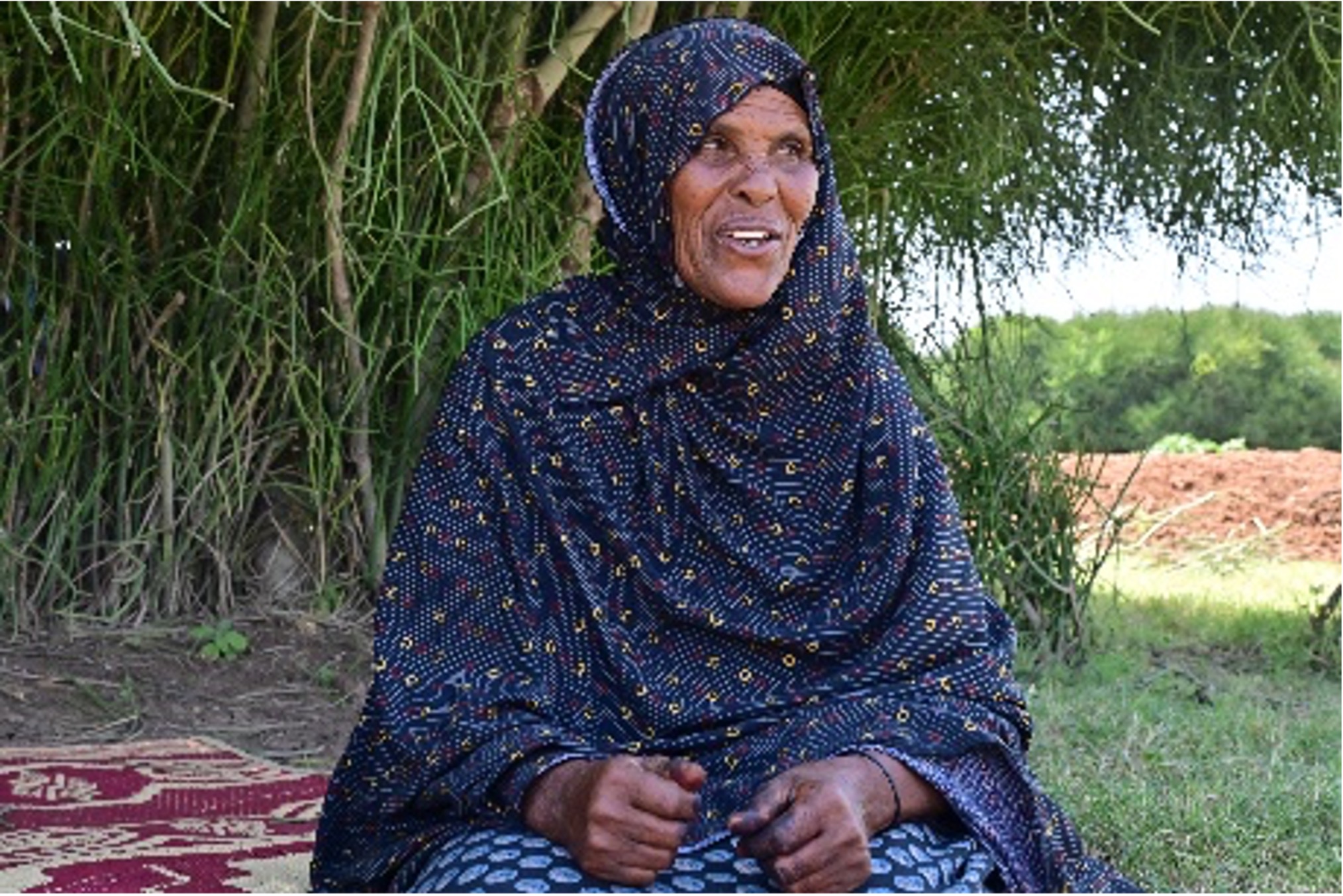
Photo: Nimo Dheg
Nimo Dheg, a mother of ten, lives in Harre Dry Valley, 30 km from Jigjiga City in the Somali Regional State, Ethiopia. Seven of her children are married, while three still live with her. After her husband remarried and moved to Jigjiga, leaving her with minimal support, Nimo took control of her destiny. With the newly rehabilitated land and agricultural knowledge, she has shaped a new chapter of her life.
Three years ago, the land was barren, dry, cracked, and lifeless. Growing crops seemed impossible. Even when it rained, the water quickly disappeared into the dust. As pastoralists, Nimo and her community were always on the move, searching for water and fodder for their livestock. For Nimo, as a woman, life was particularly challenging.

Photo: Degraded land before the intervention
When GIZ arrived, the community was suspicious, against the background of land grabbing history in other areas. However, through awareness-raising programs led by the Somali Region Bureau of Agriculture and the Jigjiga South/Shabeeley Woreda Agriculture Office, the community came to realize that GIZ was there to help. GIZ, in collaboration with local offices, trained the community to rehabilitate their degraded land, transforming it into fertile soil.

Photo: Rehabilitated land in Harre Dry Valley after the intervention
Nimo was quick to embrace the project. She started by preparing food for the laborers working on the water spreading weirs, which completely changed the landscape. These weirs slowed the floods, allowing nutrient-rich soil to settle and water to seep into the soil.
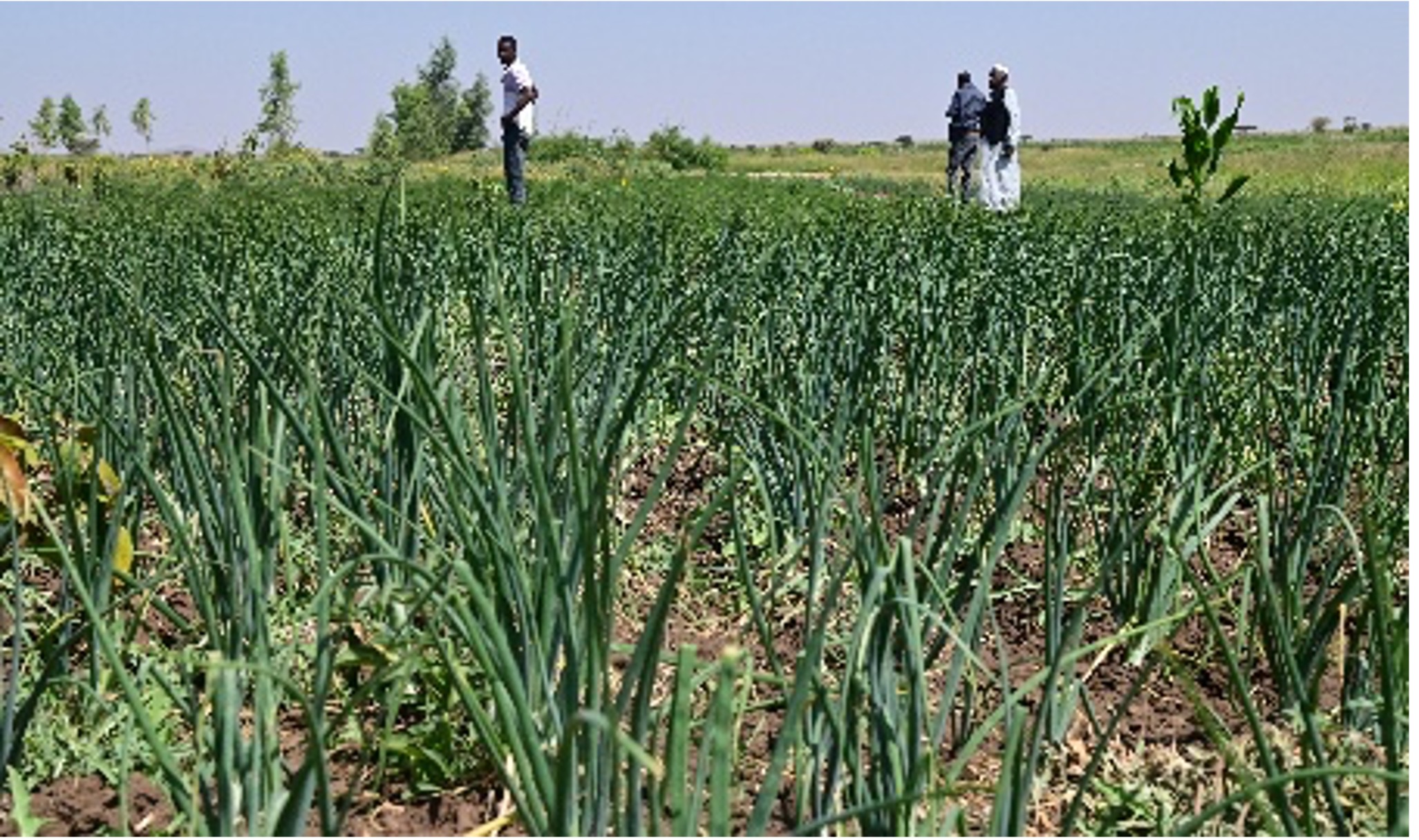
Photo: Onion production in Harre Dry Valley
Suddenly, Nimo’s barren land was productive, yielding enough forage for livestock and food for her family. Where once the community struggled to buy vegetables, they now grow maize, with onions being the main cash crop.
The transformation was profound. The community now welcomes pastoralists from drought-stricken areas, offering them grazing land and sharing their knowledge about rehabilitating land for productive use. Nimo is passionate about helping others thrive as she has.
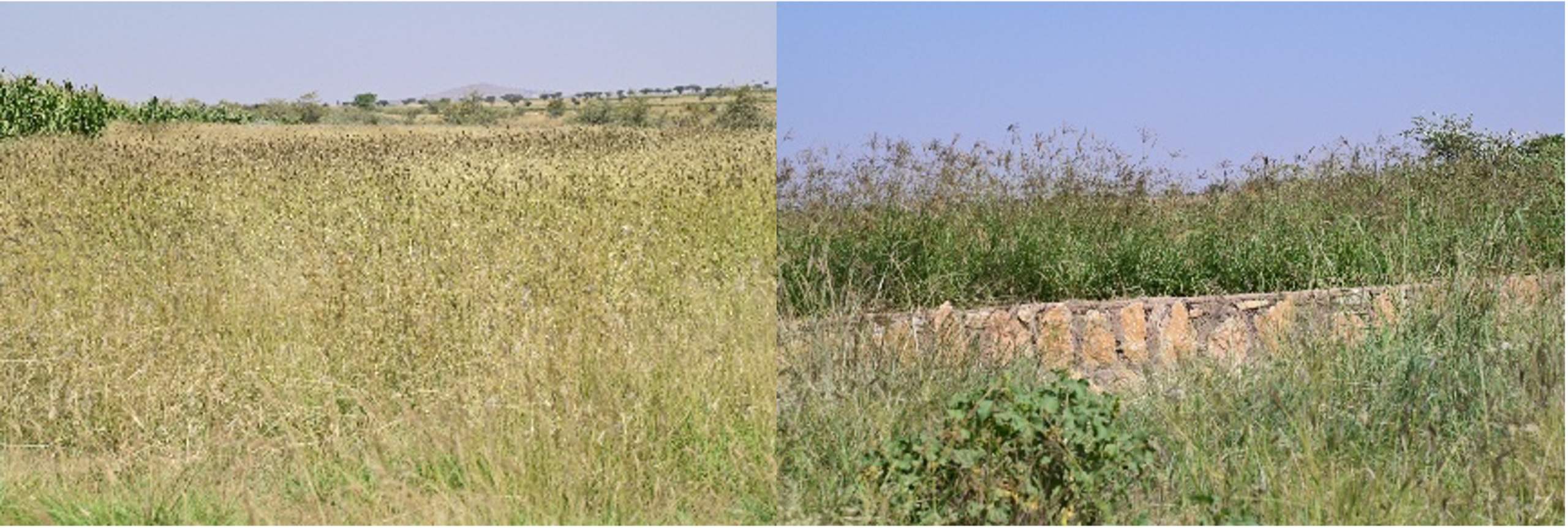
Photo: Fodder production in a rehabilitated Harre Dry Valley
Participating in an exchange visit to Kayane in Adadle Woreda, supported by VSF-Suisse, exposed Nimo to how cooperatives manage plantations and harvest crops. Inspired by this, she expanded her production and now feeds her family, stores food, and sells surplus produce to generate income.
She is an active and influential member of the Tawakel Watershed Users’ Cooperative, established in 2024 with support from the GIZ CDSDR III project, where she serves as the cashier. Through the cooperative, members sell harvests and share profits while learning to use floodwaters productively. Despite challenges like limited water storage and market access, Nimo remains committed to improving her land.
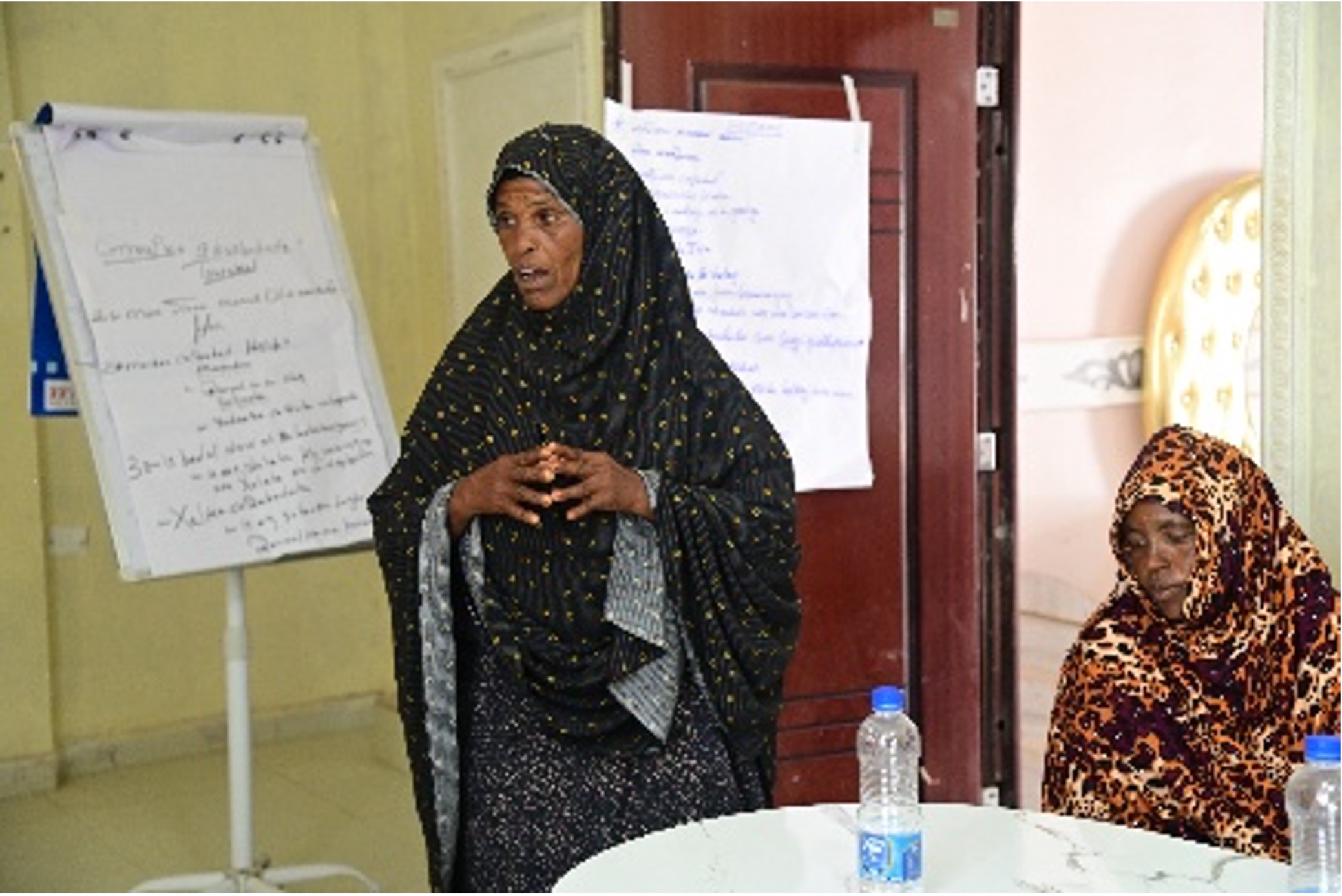
Photo: Nimo giving a presentation during Women’s Leadership Training
Nimo’s journey became even more compelling after she attended the Women’s Leadership Training, which sparked a deep transformation in her views on gender equality and women’s leadership. Through the training, she realized she had been unintentionally repeating the same pattern of discrimination she experienced as a child, keeping her granddaughter at home to help with daily household chores while boys attended school. Recognizing this, she made a decisive change, committing to sending her granddaughter to school and ensuring equal opportunities for girls. The experience strengthened her confidence to lead, inspiring her to engage her community and promote women’s participation and equality. She said, “Women must take part in household management and leadership.”
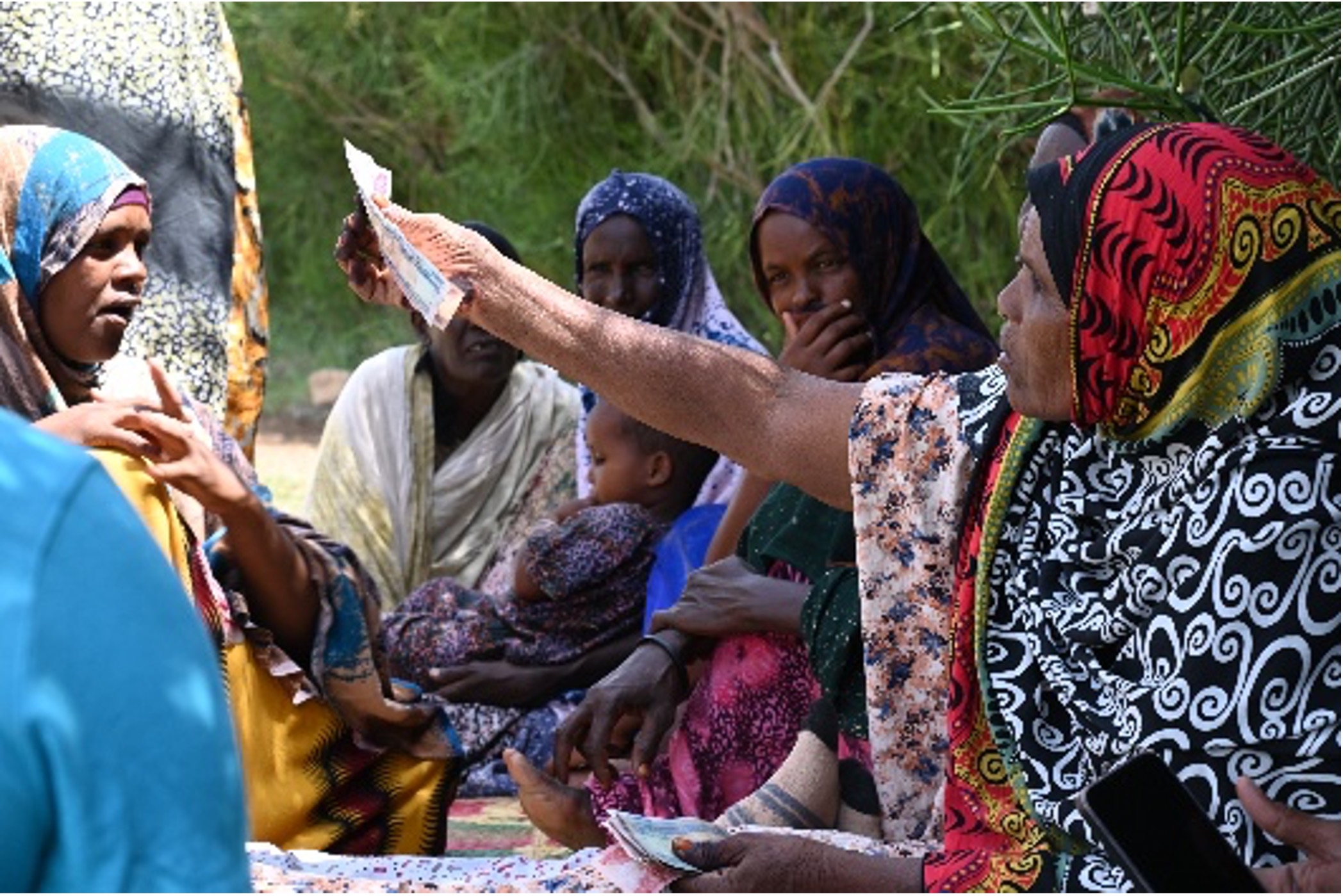
Photo: Nimo sharing the earnings from milk sales with group members
Currently, she is the influential leader of the Women Milk Group of 14 women who collect and sell milk every day. Each woman receives 3,500 to 4,000 ETB per day from the milk sales, allowing them to cover household needs. She said:
“This system has truly changed how we manage our lives. Even income from a single day makes a big difference. Previously, we were entirely dependent on our husbands, asking them for money for every small expense. Now, we cover household needs and social obligations independently. It feels empowering to manage these responsibilities ourselves.”
Photo: Nimo outlining her vision for progress and empowerment
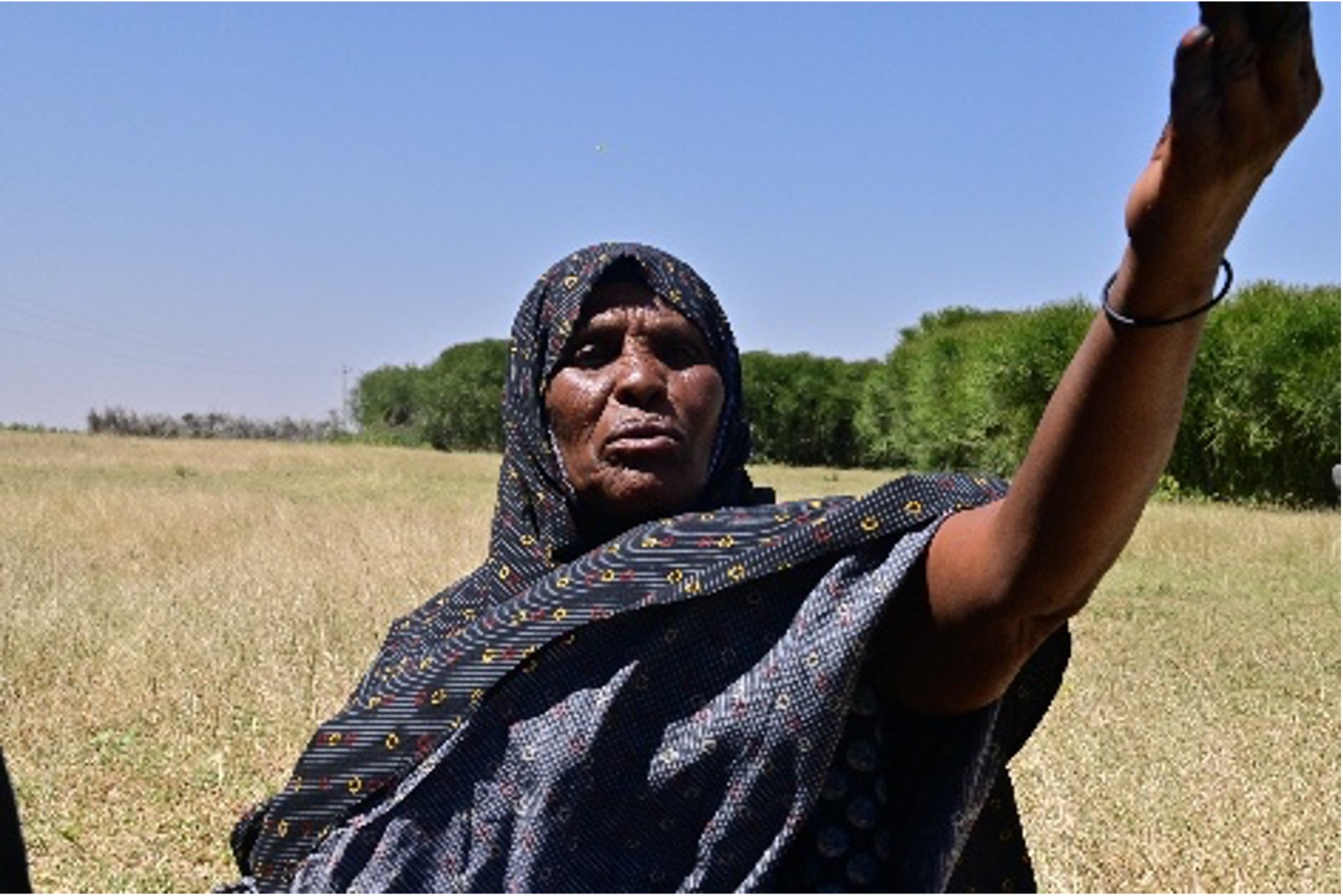
Nimo’s journey is a testament to the power of community, resilience, and hope. Her strength has inspired other women in the area to engage in agriculture. Her vision is for Harre to become a model for sustainable agriculture, where people grow crops, vegetables, and fruits without relying on the government or NGOs.
Her hope is that her grandchildren will be educated, choose their futures, and carry forward the legacy of their transformed land.
***
Source: This story is authored by GIZ Ethiopia.